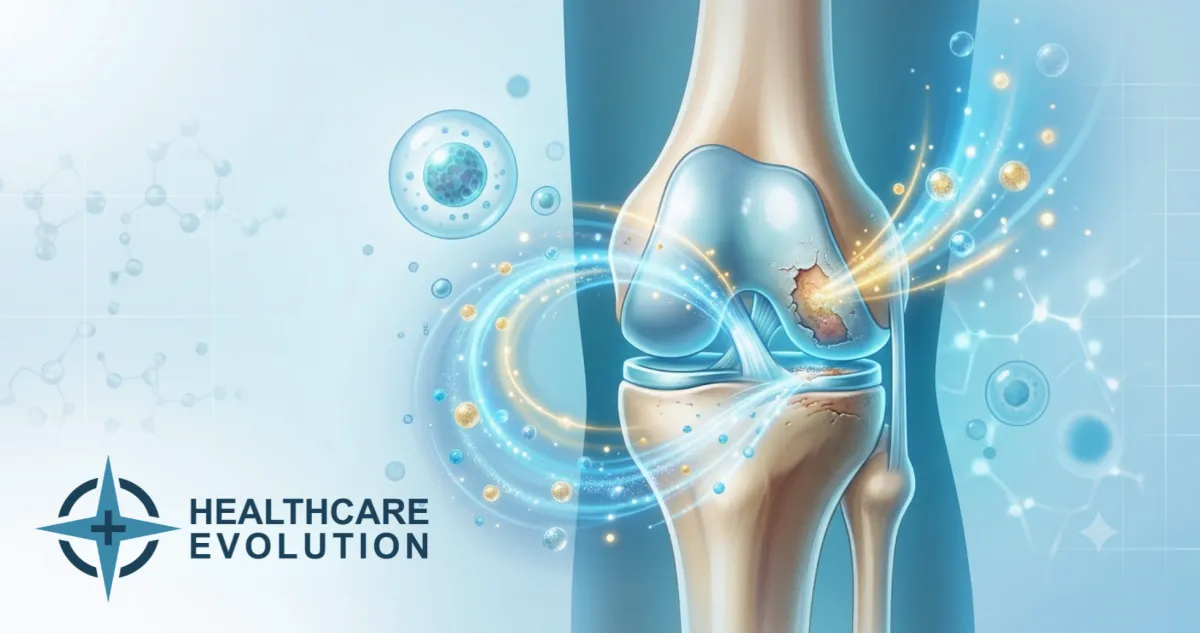
What Most People Never Learn About Treating Knee Pain Without Surgery
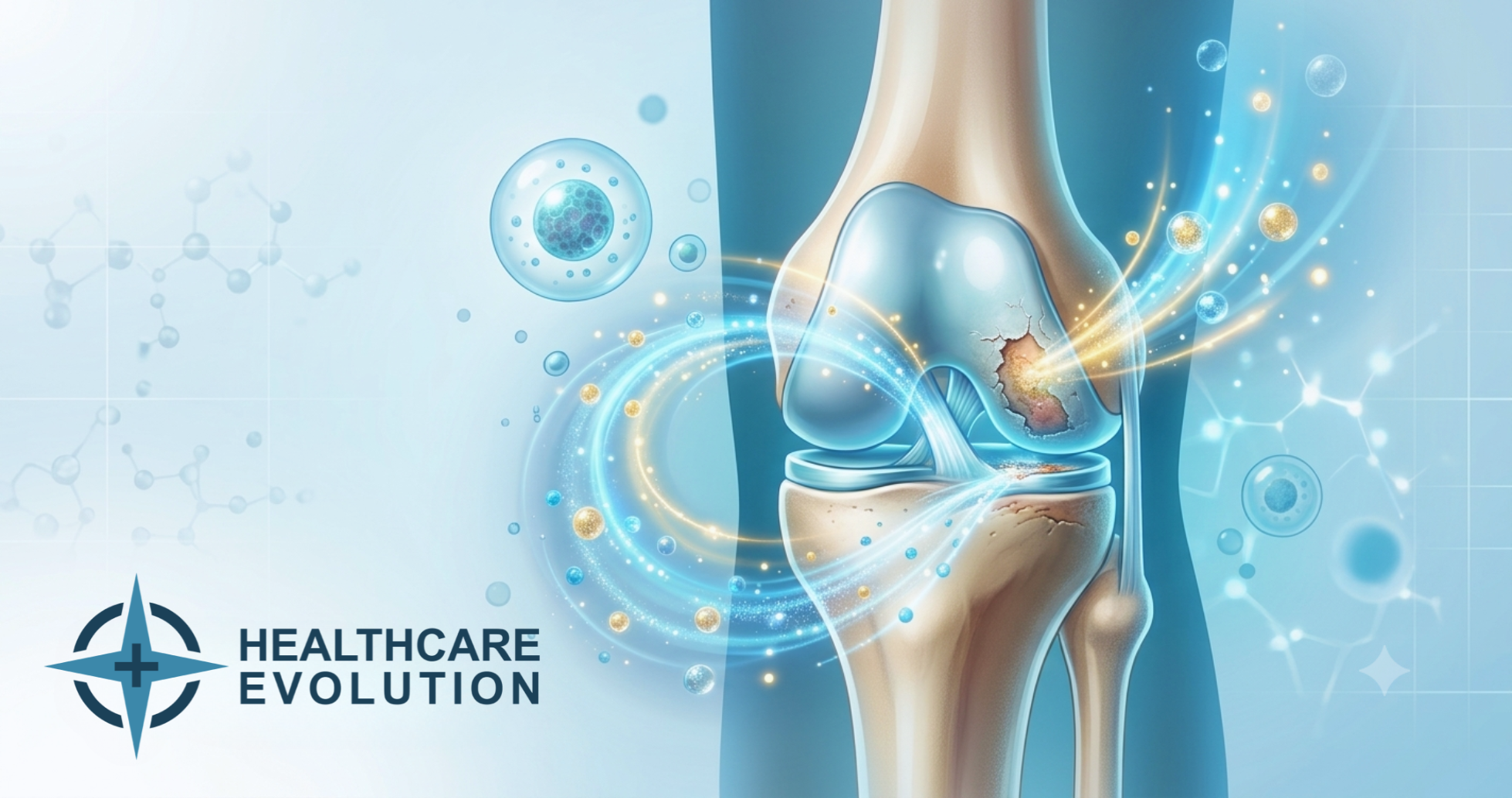
What Most People Never Learn About Treating Knee Pain Without Surgery
Healthcare Evolution | Regenerative Cellular Therapy | St. Louis, Missouri
If you have lived with knee pain for months or years, you have probably been told that surgery is where this road eventually leads. What most people are never told is that surgery is not the only path forward, and for many it is not even the first one worth trying.
At Healthcare Evolution, our focus is helping people address pain at its source without an operating room, general anesthesia, or a long recovery. Regenerative Cellular Therapy offers a very different way to approach a worn or aching knee.
Why Surgery Is Often the Default
The traditional model moves in one direction. When conservative measures stop working, the next step is usually structural: repair it, replace it, or remove the damaged tissue. That has its place, but it treats the joint as a mechanical part to be fixed rather than living tissue that can, under the right conditions, be encouraged to heal. It also carries real tradeoffs that are easy to overlook, from time away from work to weeks of rehabilitation.
A Different Starting Point
Regenerative Cellular Therapy works with your body rather than against it. Options such as platelet rich plasma, placental derived products, and targeted joint injections are used to calm inflammation and support healthier tissue in and around the joint. Masking pain with medication can help for a while, but it does nothing for the underlying tissue. A regenerative approach aims to improve the environment inside the knee so the joint can function better over time.
Who It Tends to Help
This approach is not right for everyone. It helps most when knee pain comes from wear, mild to moderate arthritis, tendon irritation, or an old injury that never fully settled. Our team, led by Clinical Director Dr. Blake Randles alongside Logan Taylor, a board certified nurse anesthetist who specializes in pain management, reviews each case individually so the recommendation fits you and not a template.
What Recovery Looks Like
One of the biggest surprises for new patients is how ordinary the days after treatment feel. There is no bulky brace and no weeks on crutches. Most people return to light daily activity right away, and many support the process with natural ways to speed up recovery at home. Improvement builds gradually, which is exactly what you would expect from tissue that is being supported to heal on its own timeline.
Take the Next Step
If knee pain has you quietly bracing for surgery, it is worth knowing that a surgery free option may be on the table. See how one patient healed his shoulder and skipped surgery altogether. Relief could be one visit away. Book your free consultation now!


